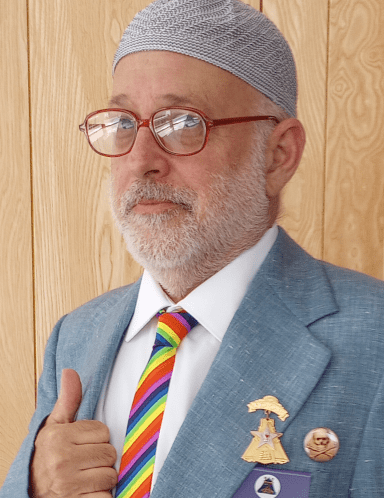
Every lodge is unique. That’s one of the wonderful things about the fraternal experience. We get to experience a variety of versions of a common core of practices and beliefs. Different lodges bring out different aspects of the tradition. I’d like to explore how I’ve come to think about these differences by classifying lodges into different types. Of course, any real lodge will be a combination of these. Even a “paper lodge” usually gets together for a meeting sometimes.
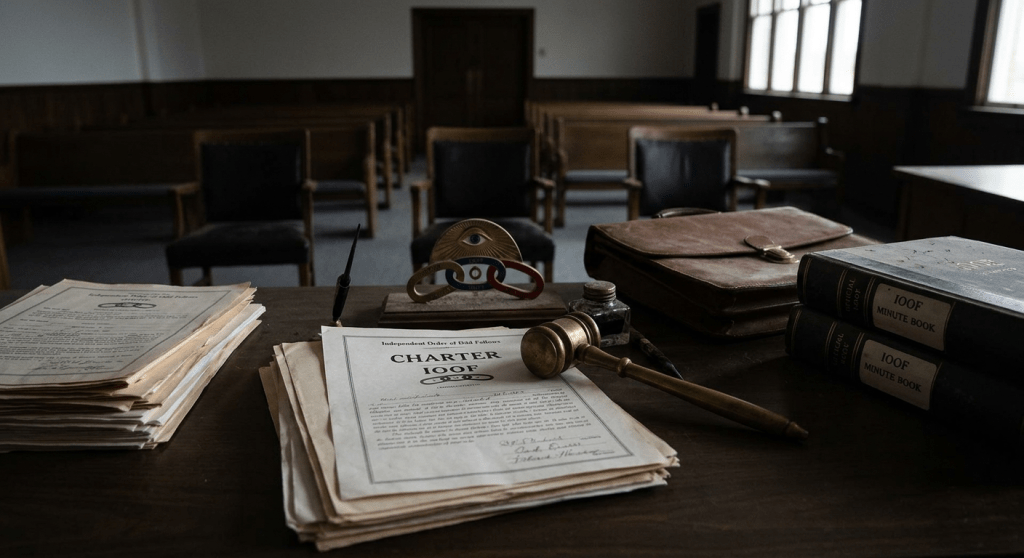
“Paper Lodge”
This lodge is just an administrative shell. It’s a legal fiction, not a real lodge at all, but a lodge in potentia, or maybe a lodge in suspended animation, a sort of placeholder. There are sometimes good reasons to have a lodge that only exists on paper, but it is a desperation strategy. The danger comes when we accept it as the status quo.
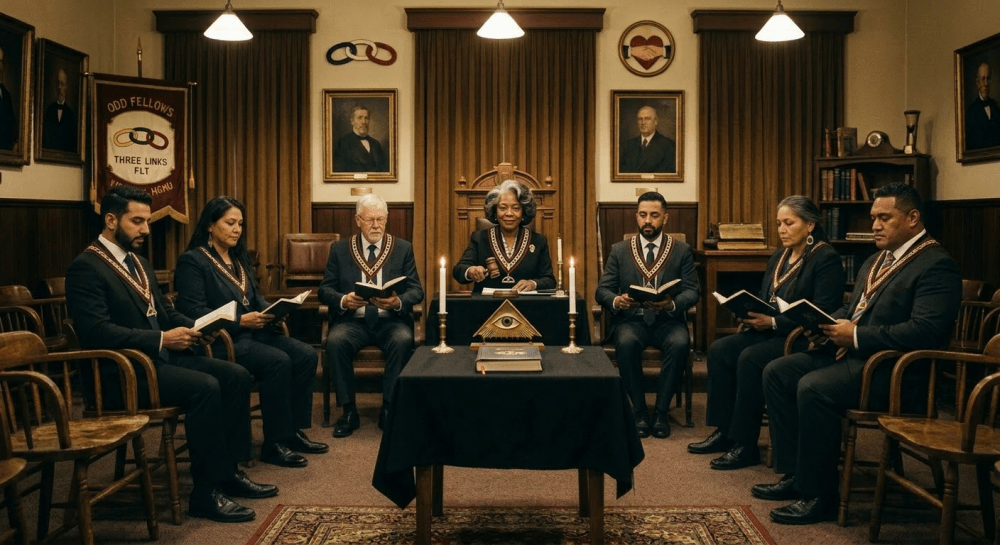
“In Form Lodge”
This lodge meets regularly and goes through the form of a meeting. This is the minimum condition of a real lodge. We sometimes forget that the lodge is not the building or the legal entity. It is an energetic field that we bring into existence through ritual. It is created through our collective intention when we open a meeting and it disappears when we close it. This energetic aspect of the lodge is dealt with well in John Michael Greer’s book Group Ritual in the Western Tradition (he is also a PGP of WA, as many of us remember). Constituting the lodge on a regular basis allows us to connect with the tradition as a living force. Indeed, we invest our lives (our time and energy) in embodying that tradition. Sometimes, this is as far as it goes, but this lodge is the real deal and has the chance of further development.
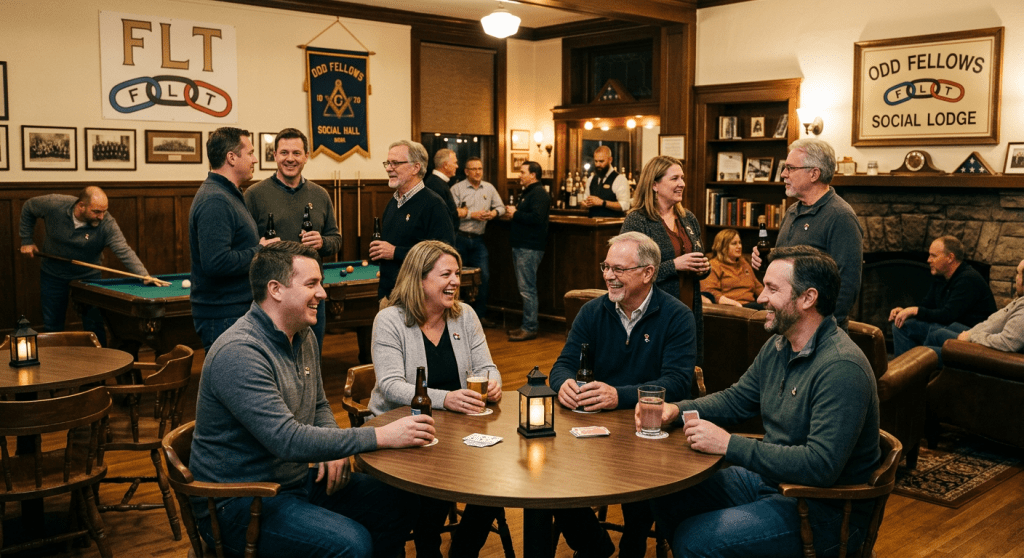
“Social Lodge”
This lodge focuses on fraternal gathering and fomenting a clubhouse atmosphere, a space for relaxation and social interaction. This is more important than it ever was, as non-commercial spaces for gathering, and “third spaces” of all types, are dwindling in our culture.
“Engaged Lodge”
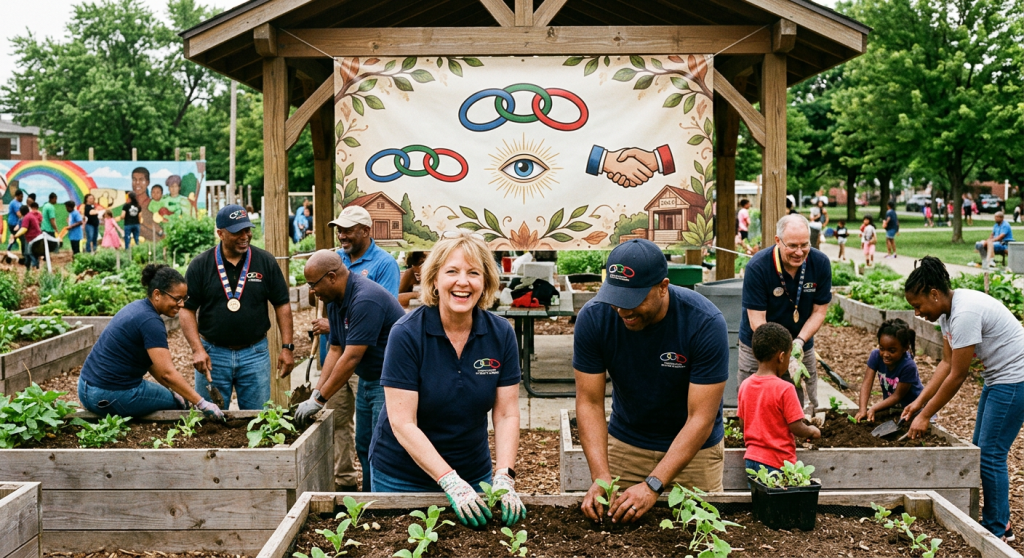
This lodge has developed a public face and is connected to the community through acts of benevolence and charity. This is where creativity and an “earnest desire to ameliorate the condition of Mankind” find room to express themselves. For many, this is the most important measure of a lodge’s health and success.
“Committed Lodge”
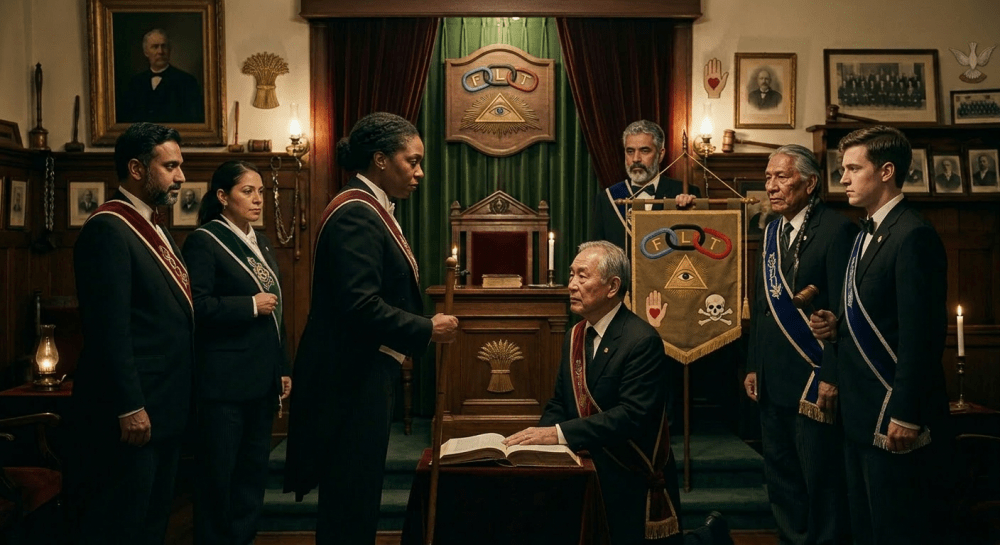
This is the inner-directed face of a lodge. There is a great value placed on enacting the degree rituals and integrating the teachings. Rather than benevolence and charity, the focus is on wisdom and the pursuit of truth. The mythic retelling of illustrative stories is as old as humankind. Our particular tradition of ritual re-enactment has its roots in the mystery plays of the middle ages, where biblical narratives were acted out on the church steps by the people of the town. This is the beating heart of our tradition, and is generally in decline.
“Functional Lodge”
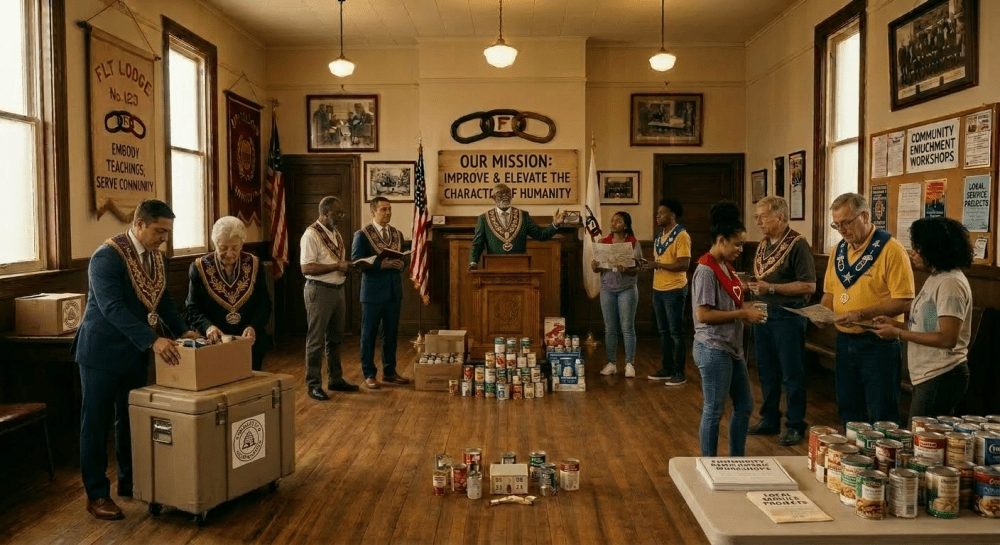
In this lodge the inner and outer aspects are balanced. The members individually and collectively work to understand and embody the teachings of the order by serving the larger community. Members consciously engage in the work of personal and societal transformation. When we are working in this way, all the parts of the tradition support each other, and the lodge becomes much more than the sum of its parts. It embodies the best of human culture and civilization. This may sound arcane, but it is a deeply human and natural process which we have all experienced the power of at some level or we wouldn’t be here.
The great thing about a lodge community that is firing on all cylinders is that it calls forth the individual talents of the members and supports them in realizing their potential. When we do this, we are truly fulfilling our mission to “improve and elevate the character of humanity.”
…
Want to more about the Odd Fellows? Ask Me I May Know!
Visit our Facebook page: Heart In Hand


