Mom’s medical journey finally led to her moving in with us this fall. The in-home care that Julie and I provide starts early in the morning, ends late, and weaves between life’s many other demands. The whole experience has given me deeper insight into our Odd Fellows’ charge to visit the sick.
For a truer understanding of what it means to visit the sick, it helps to understand what it means to live with a serious illness, injury, or infirmity. Being sick is often much more complex than not feeling well. And visiting the sick has much greater depth than simply making an appearance at the bedside.
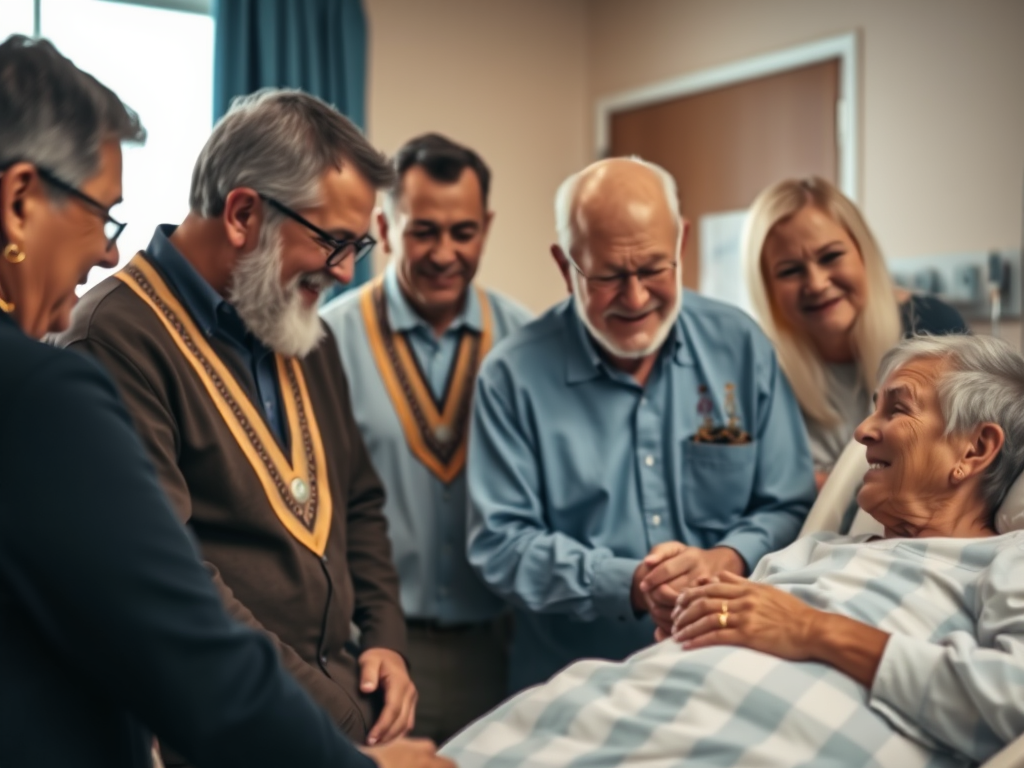
Sickness brings fear of loss: loss of livelihood, of dignity, or autonomy.
Sickness causes us to mourn what has already been lost: time, potential, physical or financial control. Or the loss of personal identity rooted in what we used to be able to do.
Sickness can bring loneliness when it sends us to sterile hospitals, strange facilities, or homes less familiar than our own — places that sometimes separate us from beloved people, or pets.
Sickness brings worry about burdening caretakers, or those who will live on after us.
Sickness that requires serious convalescence can bring a deep mixture of distress, disorientation, and somber self reflection.
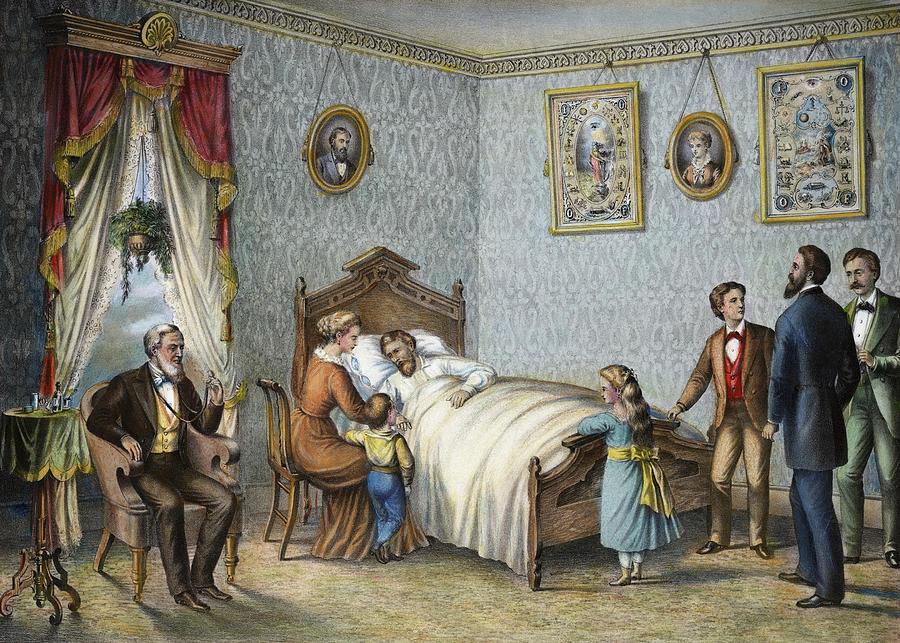
Those who visit, or tend to the sick must know that the following needs exist, beyond the more obvious physical ones. The need for hope and encouragement, the need to be validated and not condescended, the need to find familiar comforts in unfamiliar spaces, the need for camaraderie, and the need to just be heard without always being advised.
An ailing friend or loved one wants a lighter load, comforts of home, perhaps a pleasant distraction, and to be seen as a whole person even when they themselves may not feel whole. They want their dignity preserved during an undignified season of life. And if possible, they want connection with you as the whole person that you are, and not just a vessel for aid.
And now a more personal thought for visitors of the sick. To have your heart in hand, to offer hope, to connect, to uplift and to listen well, is not easy. We are not super-human, especially as we carry our own personal burdens. In truth, the more earnestly you address each layered need of the sick, the faster you may drain your own well of physical and emotional energy. You will sometimes be stressed, worn thin, or humbled at the reminder of your own fragility. And this is where I offer the loving reminder that you are not alone as Odd Fellows.
In this Order, we have chosen to live in community with one another, to be vulnerable and transparent about our needs, and to accept the help of our Odd family as easily as we would offer that same help. I continue to be grateful for the aid, support and encouragement of my lodge family as I tend to my infirmed loved one, in my own household.
…
Want to more about the Odd Fellows? Ask Me I May Know!
Visit our Facebook page: Heart In Hand

 Heart in Hand